.svg)


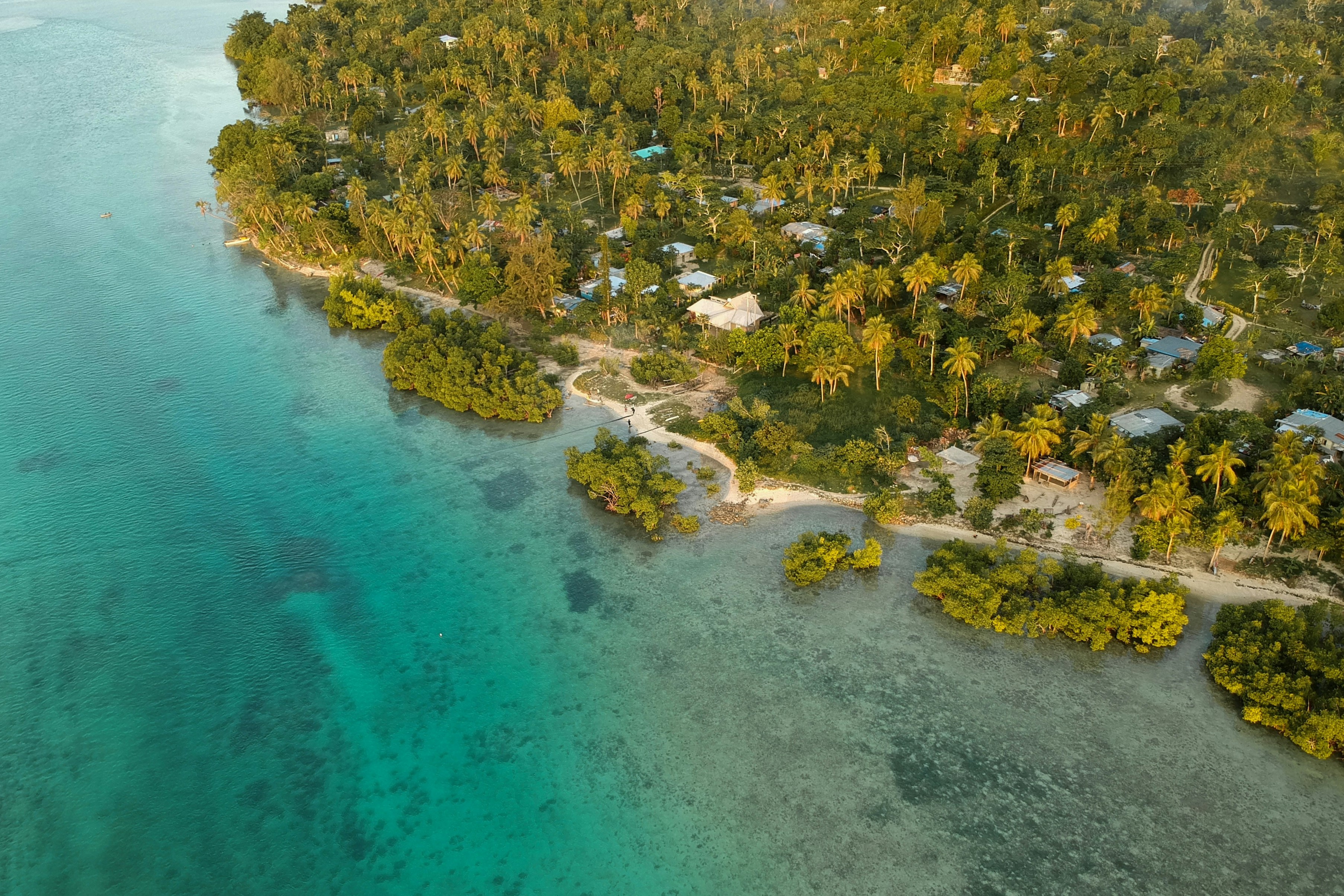
When Tropical Cyclone Pam struck Vanuatu in 2015, malaria cases nearly quadrupled within a year. For many countries, such shocks derail elimination. For Vanuatu, they triggered a rethink: malaria could no longer be tackled in isolation. Instead, the country began weaving its malaria response into broader health, community, and disaster preparedness systems - an approach now central to its elimination strategy.
In the early 20th century, the World Health Organization recognized the evidence and best practices surrounding contemporary approaches towards overcoming neglected tropical diseases and recommended an integrated approach, allowing for resources to be more efficiently allocated in the pursuit of similar aims.
In 2016, Vanuatu successfully eliminated lymphatic filariasis, a neglected tropical disease that like malaria is transmitted by different types of mosquitos, including Anopheles. Mass Drug Administration (MDA), a strategy that treats entire communities regardless of individual disease status, was the lynchpin of Vanuatu’s success. Five rounds of drug administration were successfully carried out over five years from 2000-2004, after which impact assessments indicated the necessary thresholds were reached.
Its implementation required extensive amounts of community engagement in the form of health worker training, social mobilisation, and culturally appropriate health promotion strategies. The country’s mass media was called upon as part of organised campaigns, raising awareness of ongoing MDA efforts, while community institutions like churches and temples were engaged to assist with the delivery of medicines across households nationwide. Programme managers engaged local leaders in planning and implementation, building trust at the grassroots level while allowing for regular reviews of the programme’s coverage.
Vanuatu’s success in eliminating lymphatic filariasis through mobilising its communities and the similar focus on community engagement in its National Strategic Plan for Malaria Elimination is a clear indication of the country’s long-term vision. To this day, Vanuatu continues to reap the benefits of its capacity-building efforts, with the same communities that contributed to lymphatic filariasis elimination, now integrated into larger efforts targeting other diseases.
While Vanuatu saw year-on-year reductions in indigenous malaria cases over five years from 2010 (9,817 cases) to 2015 (571 cases), local communities and their capacity to respond were put to the test in 2016, the same year Vanuatu eliminated lymphatic filariasis. After Tropical Cyclone Pam made landfall in 2015, the country’s health systems were abruptly stretched, with its subsequent case count in 2016 (2,243 cases) a 290% surge, threatening a return to the country’s disease burden of 2013 when cases totaled 2,883. Yet, the rebound that followed was telling: the surge in cases was swiftly followed by five consecutive years of decline, down to 312 cases in 2021. Nonetheless, the need for faster responses to the unexpected led Vanuatu towards innovations in integrating its malaria policy responses with existing approaches towards disaster preparedness efforts.

Later on, Tropical Cyclone Harold and the COVID-19 pandemic led to year-on-year increases in 2022 and 2023, with 2023’s case count (2,261 cases) being Vanuatu’s highest in more than a decade, surpassing the aftermath of Tropical Cyclone Pam. Yet, a 30% decrease to 1,579 cases in 2024 suggests Vanuatu’s integrated policy measures are holding, even under pressure, with the country doubling down on its policy responses.
With extreme weather conditions like cyclones, together with rising sea levels and the corresponding risks of floods, Vanuatu’s race to eliminate malaria is increasingly shaped by climate volatility, with each major disaster potentially undoing years of progress in a matter of months. Infrastructure damage in the aftermath of Tropical Cyclone Harold, and its resulting surge in other illnesses like dengue, leptospirosis, and other diseases, taxed an already overwhelmed healthcare system.
Vanuatu’s response was to integrate its malaria services into broader communicable disease control and disaster preparedness programmes, with disaster response being a key element within the country’s National Strategic Plan for Malaria Elimination (2021-2026). These efforts came into play during the COVID-19 pandemic, with its integrated health response plans acting as a base for the country’s health sector response. Its disease notification system, once used to raise awareness around the importance of hand washing after Cyclone Harold, was put towards reinforcing quarantine and case management protocols, while active surveillance efforts facilitated reporting among healthcare staff.
After years of adaptation and careful integration of existing measures, Vanuatu’s surveillance measures function as a unit, with its malaria elimination efforts part of a whole-of-government approach. In 2024, mass campaigns achieved a 100% distribution rate of insecticidal bed nets, underscoring the importance of community engagement and targeted, decentralized strategies in providing swifter, more tailored responses to outbreaks.
As the country continues to work towards its goal of a malaria-free Vanuatu by 2032, it stands better prepared, but also acutely aware that flexibility is now a permanent requirement. In a region increasingly shaped by climate uncertainty, Vanuatu’s experience offers a wider lesson: elimination will not be achieved through single-disease programmes, but through resilient and integrated systems that can bend without breaking.
Explore APLMA Dashboards here: https://www.aplma.org/ourwork/dashboard.
You may also like