.svg)


.jpg)
This is a summary of a commentary published in Nature Communications titled “Two Nations, One Front: Indonesia and Papua New Guinea forge a One-Island approach to fight persistent malaria on New Guinea” on 4 December 2025.
The island of New Guinea – home to 16 million people and extraordinary biological and cultural diversity – remains one of Asia Pacific’s most persistent malaria hotspots. Transmission levels across the island mirror those in high‑burden African settings, complicated by a dual parasite threat from Plasmodium falciparum and P. vivax, and an estimated 2–3 million suspected cases annually. After earlier gains, Papua New Guinea saw a resurgence in prevalence by 2017, driven by reduced funding, net efficacy issues, health‑system constraints and persistent asymptomatic reservoirs. In Indonesia, malaria now clusters in Papua Island, even as hundreds of districts elsewhere have achieved malaria‑free status – suggesting that elimination is possible but uneven.
Vector diversity calls for tailored intervention
Malaria on the island of New Guinea is propelled by a diverse cast of vectors. Both countries face a common threat from members of the Anopheles punctulatus group including An. punctulatus, An. koliensis, the An. farauti complex types 1-8; as well as the An. bancroftii complex, An. longirostris complex, and An. karwari. Vectors of this group are highly anthropophilic in their biting preferences, leading to high rates of transmission, with tendencies for outdoor biting, early evening biting and outdoor resting behaviour. Long‑Lasting Insecticidal Nets (LLINs) help but cannot fully shield communities from outdoor transmission, and quality problems have further eroded impact in some places. A one-size approach will not fit an island with such heterogeneity. The commentary suggests a community-based, contextualized approach to larval source management tied to local ecology and daily routines. This strategy, combined with timely case detection and treatment, would further reduce the human reservoir of parasites.
The “One Island” approach
Borders don’t stop mosquitoes – or people. Frequent cross‑border movement along the 800km porous land boundary means ongoing transmission in one country will lead to reintroduction of cases in the other. A proposed “One-Island” strategy is a practical blueprint for a collaborative response to harmonize surveillance and treatment, share real‑time entomological and epidemiological data, coordinate vector control tailored to local ecologies, and jointly monitor drug and insecticide efficacy. To further translate this collaborative vision into concrete action, the governments of Indonesia and Papua New Guinea signed a landmark Joint Action Plan for period 2025–2030, encompassing financing studies, shared data platforms, workforce training, standardized lab networks, and pilot operations in high-burden border districts. This comprehensive blueprint not only aligns both nations' efforts but also strengthens the collective capacity to mount a unified, effective response against malaria on the island.
Strong, committed leadership
Regional and global partners play a crucial enabling role in the “One-Island” approach. Multilateral platforms such as APLMA and WHO Western Pacific Regional Office, alongside major donors, are essential to securing long-term sustained financing and providing the focused technical support needed for the Papuan context, with the EDEN initiative offering a vehicle for country‑led, regionally coordinated solutions.
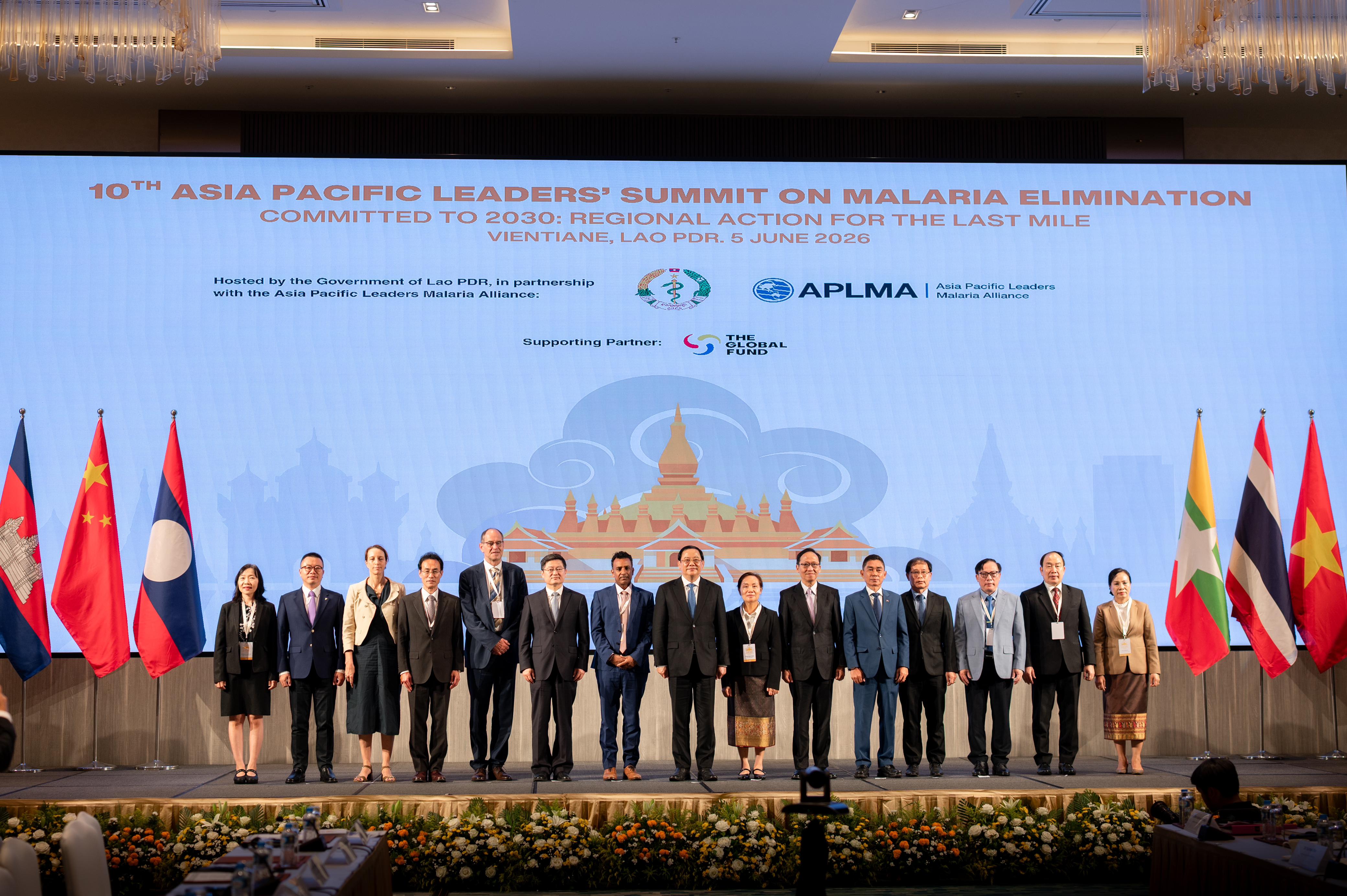
Momentum has built through back-to-back high-level engagements at the 9th Asia Pacific Leaders’ Summit on Malaria Elimination in Bali in 2025, following the 8th Summit in Port Moresby in 2024, deepening collaboration between Indonesia and Papua New Guinea. These summits continue the trajectory set by bilateral agreements initiated by Former President Joko Widodo and Prime Minister James Marape in July 2023. By working together, backed by strong political commitment, Indonesia and Papua New Guinea are strengthening their collective capacity to address the unique challenges of malaria on the island of New Guinea.
Explore the full commentary for evidence behind the hotspot map, the vector profiles that demand tailored responses, and the approach to operationalize the “One-Island” strategy here: https://doi.org/10.1038/s41467-025-66551-9