.svg)


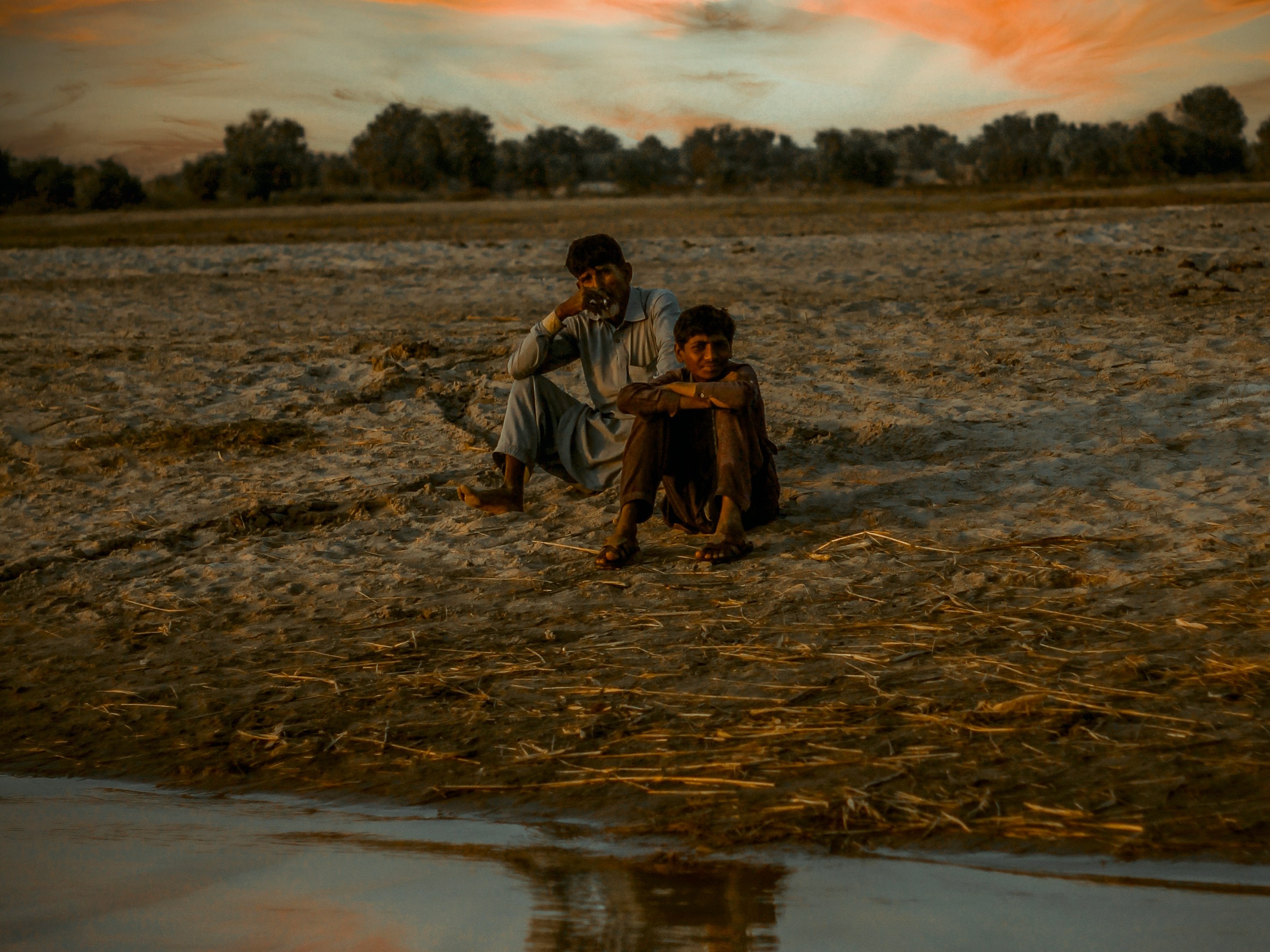
In 2022 Pakistan experienced one of the worst climate disasters in its history. Record-breaking monsoon rains intensified by climate change submerged vast areas of the country, destroying homes, infrastructure and livelihoods. One in 10 Pakistanis were affected and more than 8 million people were displaced. As floodwaters receded, a second crisis emerged. The country faced its largest malaria outbreak in over 50 years.
Before the floods, Pakistan had been making steady progress towards malaria elimination. Between 2015 and 2021, malaria cases had fallen by nearly half. However, the combination of standing water, collapsed sanitation systems and mass displacement created ideal breeding conditions for mosquitoes. By 2023, malaria cases had surged to an estimated 4.28 million, representing a sevenfold increase in just two years.
However, the impact of the resurgence was not evenly felt. Sindh and Balochistan, the provinces hardest hit by the floods, were already grappling with some of the country’s highest malaria burdens and deepest levels of poverty. Rural communities, mainly made up of subsistence farmers, informal workers and small business owners lost crops, livestock and homes in the aftermath. Health systems that were already under strain suffered further damage, with more than 1,400 health facilities destroyed or rendered unusable.
For displaced families living in temporary camps and informal settlements, access to healthcare became even more difficult. Long distances to reach the nearest functioning facilities, coupled with shortages of medicines and financial barriers pushed many to rely on private providers or go without care altogether.
Women and children were particularly at risk, facing increased dangers and greater susceptibility during such crises. Pregnant women and young children are biologically more vulnerable to malaria, while social and gender inequalities further restrict women’s access to information, limit their mobility and reduce their ability to make decisions about their own health. These vulnerabilities are compounded for groups such as Afghan refugees, brick kiln workers and people living in remote flood prone districts, who were among the most exposed and the hardest to reach.
Despite these enormous challenges, Pakistan’s post-flood malaria response has demonstrated the importance of equity-focused public health approaches.
The government, supported by international and local partners, prioritised districts with the highest transmission risk and the largest displaced populations. Millions of long-lasting insecticide treated nets were distributed including foldable nets better suited for use in small tents. Indoor residual spraying, the use of larvicide and mass drug administration were deployed in high burden areas.
Mobile health teams medical buses and temporary clinics delivered diagnosis and treatment directly to flood affected communities. In the hardest-to-reach locations, supplies were transported by boats and four-wheel drive vehicles and in some instance on foot. Female health workers were recruited to ensure that services were culturally accessible to women.
A crucial element of Pakistan’s malaria response was the mobilisation of its community health workforce. Lady Health Workers and Community Midwives — trusted women from within the affected communities — played a pivotal role by providing door-to-door malaria screening, treatment, and health education in both temporary camps and returning villages. Their roles not only addressed gaps in healthcare access but also fostered trust, ensuring that women and children, often the most vulnerable, were not left behind.
The floods exposed deep vulnerabilities in Pakistan’s health system in the face of climate change but they also highlighted the importance of investing in resilient, inclusive and community-based care. Pakistan’s experience shows that malaria elimination is not only a technical challenge but also a test of equity. Reaching the last mile means reaching the poorest, most marginalised and most climate-exposed populations.