.svg)


• Major reduction in estimated cases in Pakistan; historic lows reported in Cambodia, Lao PDR, and Viet Nam for the second year in a row
• The Greater Mekong Subregion’s success in tackling antimalarial drug resistance demonstrates power of coordinated global action
• Renewed underfunding threats put malaria elimination progress in jeopardy, with less than half of essential funding secured in 2024
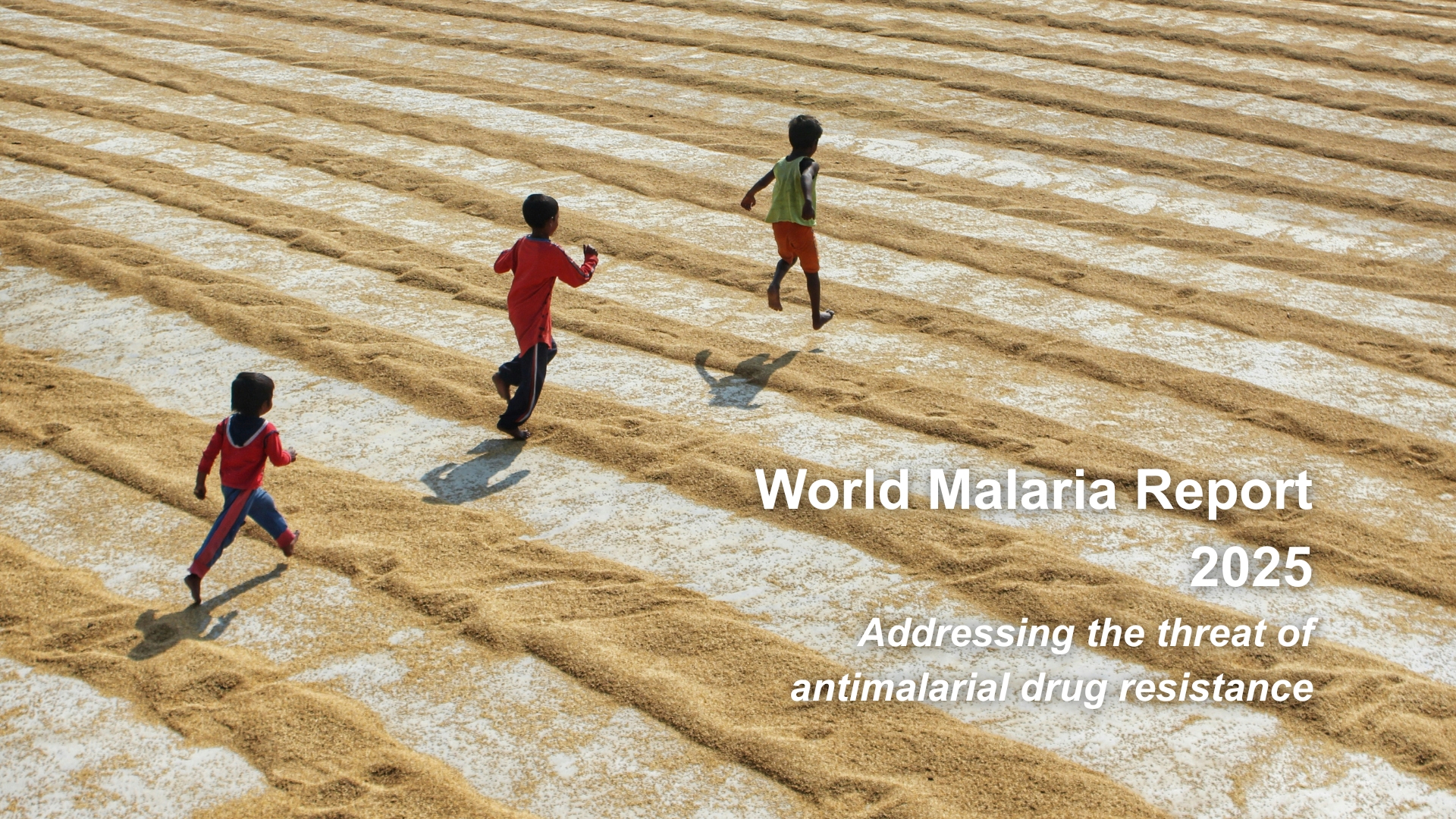
Singapore, 4 December 2025 – Asia Pacific recorded marked progress toward malaria elimination in 2024, with a reduction of over 725,000 estimated cases compared to 2023, noted the Asia Pacific Leaders Malaria Alliance (APLMA), based on latest findings from the World Health Organization (WHO)’s World Malaria Report 2025. The significant reduction was driven by 10 of the region’s 17 malaria-endemic countries, bringing estimated cases down from over 9.6 million in 2023 to approximately 8.9 million in 2024. The WHO has, for the first time, spotlighted antimalarial drug resistance as a central theme in its latest report.
10 of 17 Malaria-Endemic Countries in Asia Pacific Saw Decreases
Notably, the reduction observed in 2024 was largely attributable to Pakistan, which reported over 1.1 million fewer estimated cases than in 2023, marking a 26.4% reduction that effectively halted a two-year rise in cases. This achievement was made possible by the robust restoration of malaria interventions following the major floods of 2022 and 2023.
Beyond Pakistan, ten other countries in Asia Pacific reported declines in estimated cases between 2023 and 2024. Notable reductions were observed in Bangladesh (-21%), Cambodia (-77%), Lao People’s Democratic Republic (-53%), Vanuatu (-30%), and Viet Nam (-36%). Only seven countries reported increases, namely Afghanistan (+38%), Democratic People's Republic of Korea (+66%), India (+11%), Indonesia (+24%), Nepal (+147%), Papua New Guinea (+5%), and the Philippines (+53%).
These reductions reflect the impact of robust public health responses, particularly sustained investments in surveillance, testing, and treatment, and an increased focus on community-based interventions.
Timor-Leste's Malaria-Free Certification as A Beacon of Hope
Notably, Timor-Leste marked a significant global health achievement this year, attaining malaria-free certification in July 2025 after sustaining four consecutive years with no indigenous malaria cases through 2024. This milestone positions Timor-Leste as the third country in the Asia Pacific region that APLMA supports and the 47th country globally to achieve malaria elimination.
Across Asia Pacific, Bhutan is on track to achieving malaria-free certification soon, having sustained zero indigenous cases for the third consecutive year. Meanwhile, Malaysia continues to report zero indigenous human cases for the seventh consecutive year, despite persistent zoonotic malaria transmission. The Greater Mekong Subregion (GMS), comprising Cambodia (-77%), Myanmar (-17%), Lao PDR (-53%), Thailand (-14%), and Viet Nam (-36%), continues to progress strongly towards elimination with sustained reduction in cases, with consistent investments and coordinated strategies driving strong momentum across the subregion.
The Growing Threat of Antimalarial Drug Resistance and Underfunding
Resistance to artemisinin-based frontline treatments was first detected in the GMS in the late 1950s; however, the WHO now warns of similar drug resistance emerging in Africa.
As the long-recognized epicenter of antimalarial drug resistance, what began as a threat ultimately galvanized countries and global partners into action. Large-scale investments — most notably through the Global Fund’s the Regional Artemisinin-Resistance Initiative (RAI), which has channeled over US $700 million since 2014 — together with WHO’s Mekong Malaria Elimination program and other partners, enabled a comprehensive regional response that strengthened surveillance, accelerated data sharing, and adapted treatment policies as resistance evolved. The impact of this consolidated investment and coordination is clear: Cambodia, Lao PDR, and Viet Nam are now nearing elimination.
The success in the GMS affirms the impact attainable when global actors unite behind a common goal, demonstrating that malaria elimination can be achieved through sustained, coordinated efforts across borders. Building on decades of momentum, Asia Pacific leaders must now refocus and intensify their commitments to secure the hard-won gains towards a malaria-free region, especially amidst competing health priorities and constrained global resources.
However, underfunding remains a critical bottleneck. The WHO noted a deep funding shortfall, where only 42% of the financing required for global malaria efforts was secured in 2024. While the impact of the underfunding is still being evaluated, the widening funding gap — driven by further cuts in global health assistance in 2025 — poses a serious risk of reversing years of progress in malaria control and elimination.
In Asia Pacific, this threat is particularly acute in high-burden regions with persistent social and logistical barriers, such as areas with mobile and migrant populations, and geographically remote communities. These deep-seated barriers demand sustained investment and enduring political will to be effectively dismantled in order to safeguard progress.
Asia Pacific Leaders Must Safeguard Progress
Stressing the strategic importance of eliminating malaria across Asia Pacific in the last mile, His Excellency, Former President Susilo Bambang Yudhoyono, Special Advisor to APLMA, remarked:
“We recognise that 94% of the global malaria burden lies in Africa, but we must finish the job here in Asia Pacific, because doing so will allow us to redirect resources to where they are needed most.”
Underscoring the report’s critical findings, Dr. Sarthak Das, Chief Executive Officer of APLMA, stated:
“This year's report is a stark reminder that while Asia Pacific has made remarkable progress, these very gains are now at risk, and we cannot afford complacency. Emerging antimalarial drug resistance in other regions and a widening funding gap globally signify a tipping point in the world's fight against malaria. However, the Greater Mekong Subregion, historically the cradle of antimalarial drug resistance, has demonstrated what is possible with concerted political and financial commitments from amongst the region and across the global community.
Sustained and coordinated commitments, coupled with innovative financing and collaboration, remain the bedrock to safeguard the region's hard-won progress and optimize health investments for maximum impact amidst global challenges. We must act decisively to close the gaps to achieve malaria elimination in Asia Pacific and secure a more resilient future for all.”
Countries across Asia Pacific have made remarkable strides toward the shared goal of eliminating malaria by 2030, demonstrating resilience and hope despite prevailing vulnerabilities and unprecedented global challenges. APLMA reaffirms its steadfast commitment to elevating the visibility of malaria elimination on regional and global platforms, advancing policy dialogue, and fostering coordinated action across sectors and borders to ensure the malaria elimination agenda remains a priority until the vision of a malaria-free Asia Pacific is fully realized.
Note to editors:
(1) APLMA unites 22 governments in Asia Pacific — across WHO regions Eastern Mediterranean Region (EMR), South-East Asia Region (SEAR), and Western Pacific Region (WPR) — who have committed to eliminating malaria in the region by 2030. APLMA defines Asia Pacific as: Afghanistan, Bangladesh, Bhutan, Cambodia, China, Democratic People's Republic of Korea, India, Indonesia, Lao PDR, Malaysia, Myanmar, Nepal, Pakistan, Papua New Guinea, Philippines, Republic of Korea, Solomon Islands, Sri Lanka, Thailand, Timor-Leste, Vanuatu, Viet Nam.
(2) All data are sourced from the World Malaria Report 2025 unless stated otherwise.
(3) The full report is available at WHO: https://www.who.int/teams/global-malaria-programme/reports/world-malaria-report-2025.
For further information, please contact media@aplma.org.
Updated as of 12 January 2026
Corrections Notice, 12 January 2026: The previous version published on 4 December 2025 included incorrect estimated case figures. This version reflects the corrected and verified numbers.