.svg)


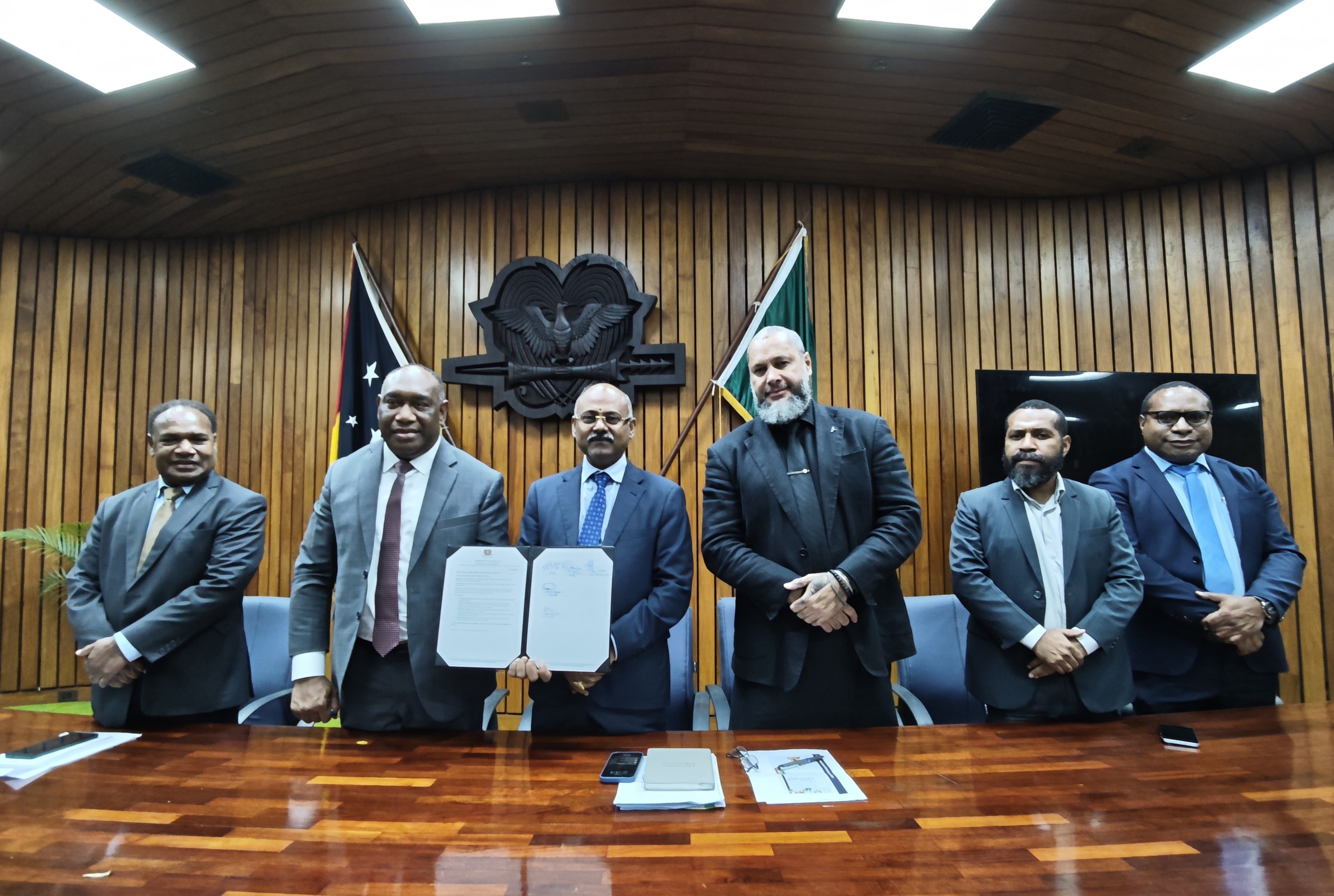
Port Moresby, 29 May 2026 –The Government of Papua New Guinea, in partnership with the Asia Pacific Leaders Malaria Alliance (APLMA), jointly organized the signing ceremony for the launch of the Governors Ending Malaria (GEM) Coalition today in Port Moresby.
Honorable Minister for Health Elias Kapavore of Papua New Guinea, Honorable Member of Parliament for Dei Desmond Paul Kipa, Honorable Governor for Madang Province Ramsey Pariwa, Honorable Governor for Oro Province Gary Juffa, and Honorable Governor for West New Britain Sasindran Muthuvel were in attendance to officiate the formation of the coalition, underscoring the nation’s unwavering commitment toward malaria elimination and keeping malaria at the forefront of the nation’s public health agenda.
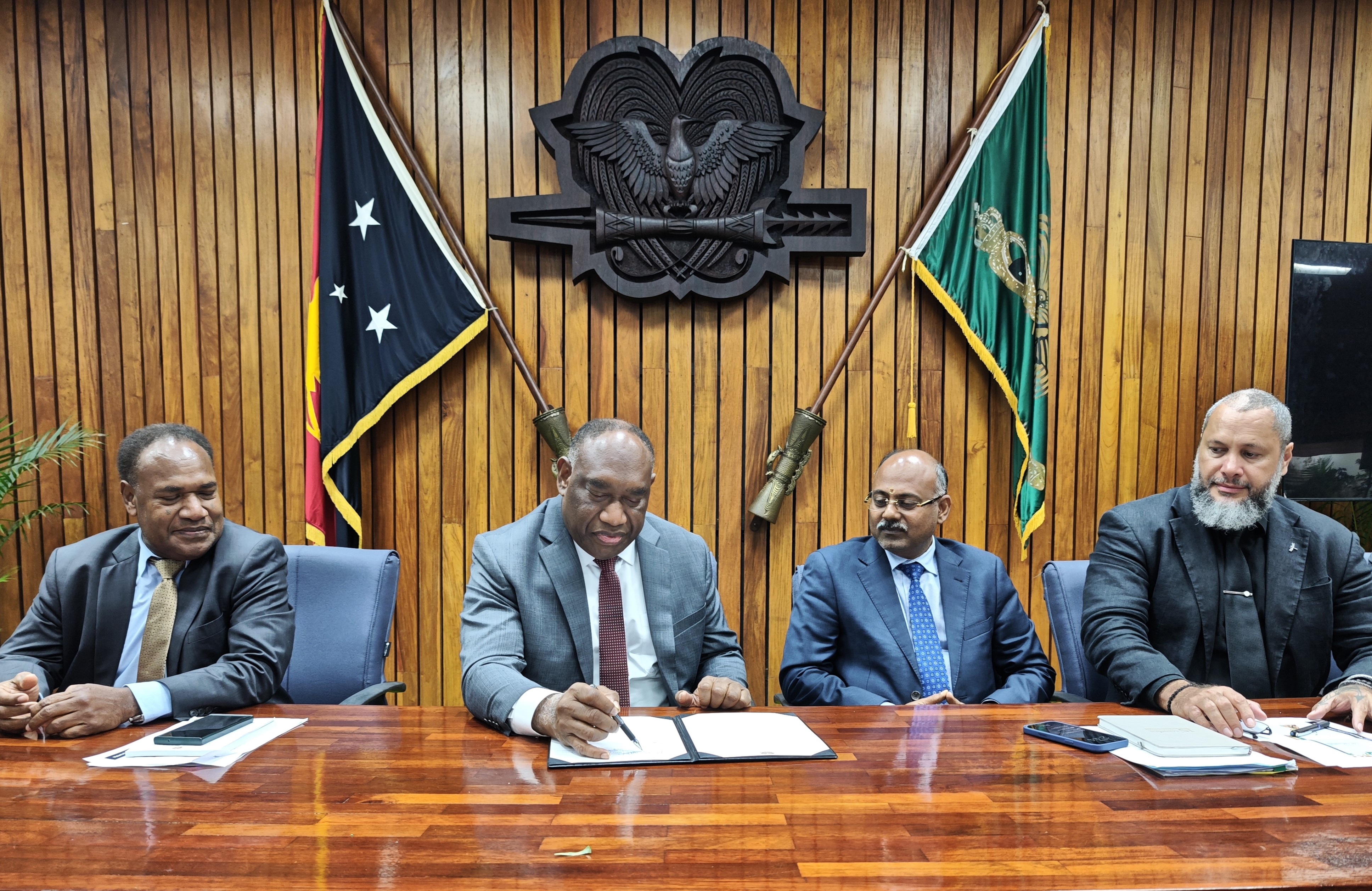
Mooted at the Provincial Leaders’ Forum held during the 8th Asia Pacific Leaders' Summit on Malaria Elimination in 2024, the GEM Coalition unites nine provinces in Papua New Guinea, namely the West New Britain Province, East New Britain Province, East Sepik, West Sepik, New Ireland, Milne Bay, Madang, Morobe and Northern Province where 86% of the country’s malaria burden lies.
Highlighting the pressing malaria situation, Hon. Minister Kapavore said, “Malaria is not a burden we must accept forever. Many countries have eliminated malaria; Papua New Guinea can do the same. To the Governors of these provinces, your leadership is crucial to our efforts to control this disease and protect our people. The launch of the GEM Coalition today is a landmark moment in our national fight against malaria, because your leadership at the provincial level will drive the response where it matters most”.
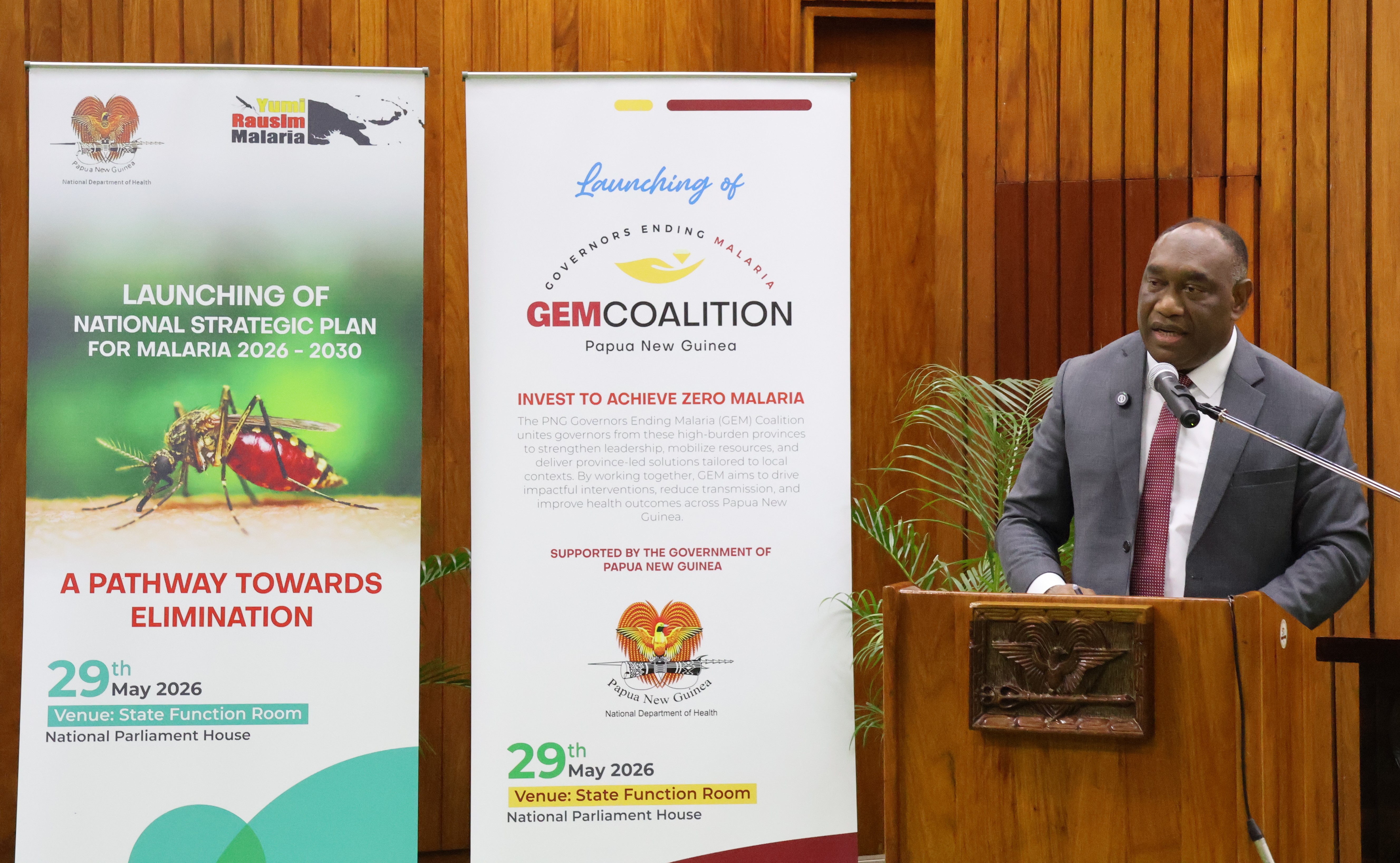
Under the leadership of Hon. Minister Kapavore, the GEM Coalition will further align provincial efforts through local leadership, while adopting a whole-of-community approach to increase domestic resource mobilization, empowering innovation, and establish a subnational mechanism for inter-provincial collaboration.
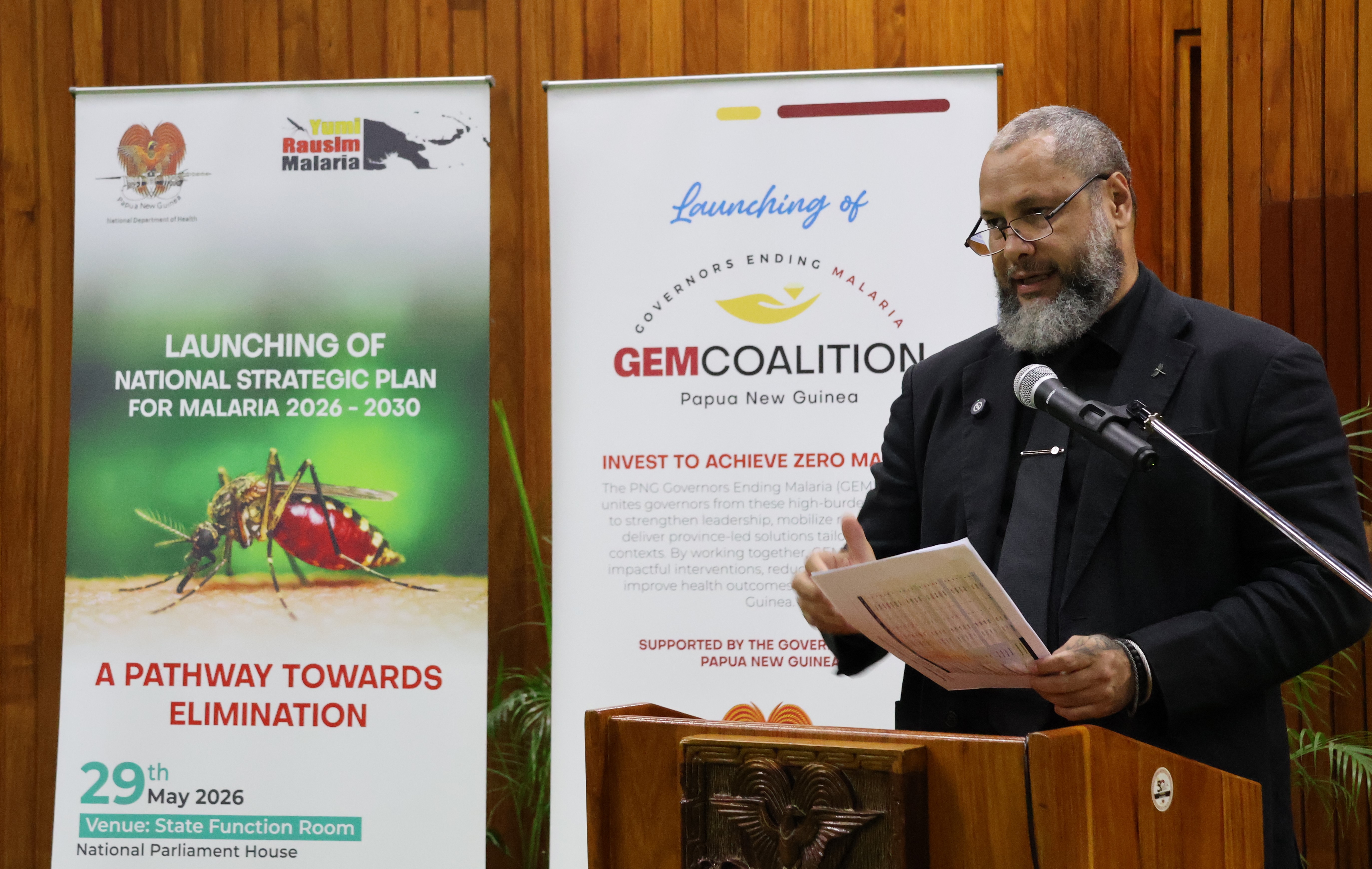
Hon. Governor for Oro Province Garry Juffa issued a strong call to rise to the occasion with collaborative spirit, he said, “I hope the Ministry of Health, with support from organizations such as APLMA and WHO, will continue to provide this Coalition with the latest knowledge of best-buy interventions for our provinces based on evidence from ongoing research nationally, regionally, and globally. The malaria elimination goal carries a significant cost. While our government will be a core partner, this is a battle we cannot fight alone. The private sector must step up as well. I issue a direct call to businesses and corporations across the country to join us — not just with financial support, but with their expertise and resources.”
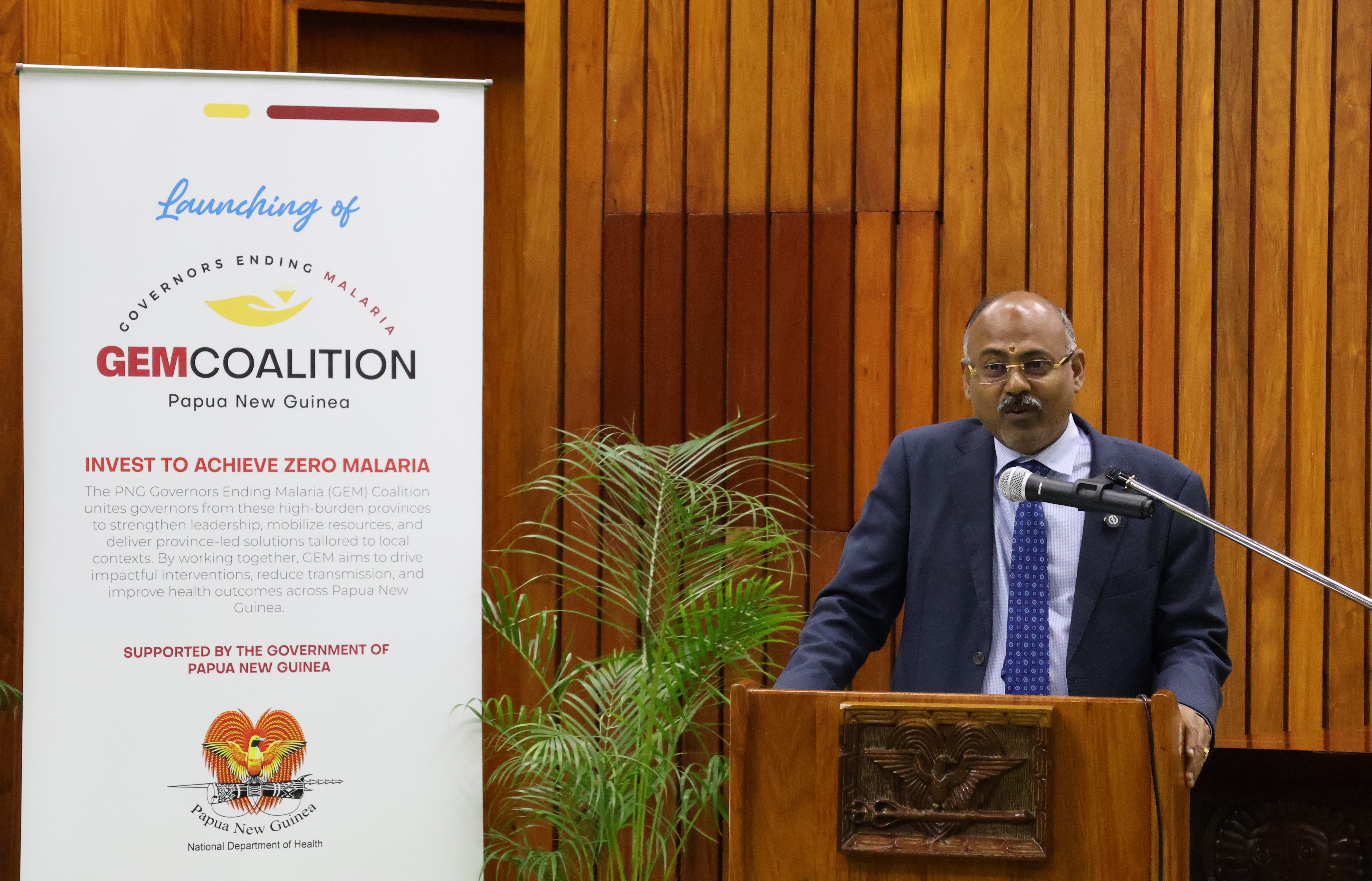
Hon. Governor for West New Britain Province Sasindran Muthuvel underscored the province’s need for an urgent push to turn the tide on malaria, “We are stepping up with decisive provincial leadership, deeper community engagement, and strong partnerships with national and international stakeholders. We will mobilize resources, intensify our efforts, and do everything within our authority to protect every family in our province from this disease”.
In conjunction with the signing ceremony, the National Strategic Plan for Malaria 2026-2030 was launched by the National Department of Health – setting out the latest strategies and priorities grounded in evidence, equity and social inclusion. The vision of reducing malaria burden through an evidence-based approach that ensures equitable access, strengthening of local health system, and empowering local ownership is chief to achieving the malaria elimination targets in this 5-year plan.
Hon. Minister Kapavore reaffirmed Papua New Guinea’s resolute commitment to eliminating malaria and emphasized the need for bold, coordinated action across all levels. He added, “Our ultimate goal is to eliminate malaria as a public health problem by 2035. The National Strategic Plan moves away from a “one-size-fits-all" national approach to a localized, provincial-led model that tailors our approach for our diverse environment and populations. We will adopt WHO-recommended approaches and use epidemiological evidence to match the right interventions or malaria control activities to the specific malaria burden of each district. This phased, stratified model is designed to maximize the impact of every Kina invested by ensuring we use the right tools in the right places.”
The Marape-Rosso Government has committed PGK16.7 million towards the procurement of malaria drugs and essential commodities, underscoring the country’s continued commitment to the malaria elimination goals. Complementing this investment, the Global Fund will provide an additional USD32 million over the next four years through its eighth grant cycle, further strengthening support for the sustained delivery of malaria programmes. However, Hon. Minister Kapavore noted that current resources remain inadequate and emphasized the need for strengthened political and financial support from development partners and local government leaders to ensure the full package of interventions outlined in the latest National Strategic Plan can be effectively implemented.
The launch of the GEM Coalition and the updated National Strategic Plan for Malaria 2026–2030 mark a pivotal moment in Papua New Guinea’s fight against malaria. With renewed political will, a targeted roadmap, and a bold, unified vision, Papua New Guinea is taking decisive steps towards eliminating malaria and uplifting the wellbeing of Papua New Guineans by 2035.
You may also like