.svg)


All photos in this article are original works captured by APLMA. Please contact us for permission to use or reproduce.
—
The rivers of Cambodia see, over many lifetimes, malaria’s resurgence and retreat, still cleansing and nourishing in its course, hoping, for a better world to come.
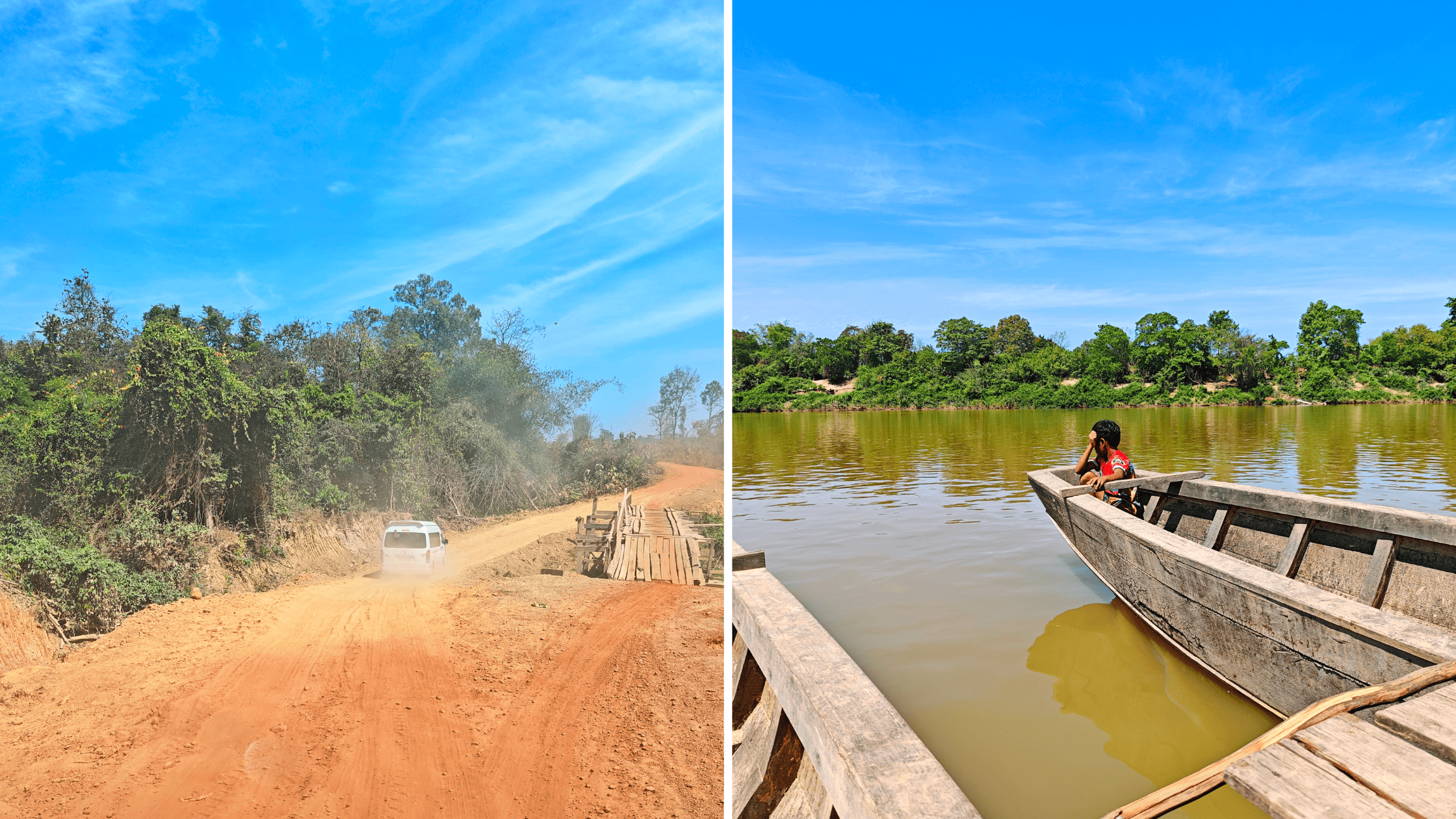
Under the open sky, the rivers breathe. Through the Greater Mekong Subregion, they flow, enriching soil and communities alike, connecting a rich diversity of cultures. Near the Stung Treng Province in the Siem Pang District, Tonle Kong branches off into a narrower path, weaving through abundant greens and dense lowlands. Through the decades, the great river has seen plenty: families labouring on its flanking landscapes; waters that cleanse and revitalise; flourishing crops; buzzing mosquitoes; free roaming animals; malaria resurgence; worrying casualties; hard-won decrease; and all that may come next.
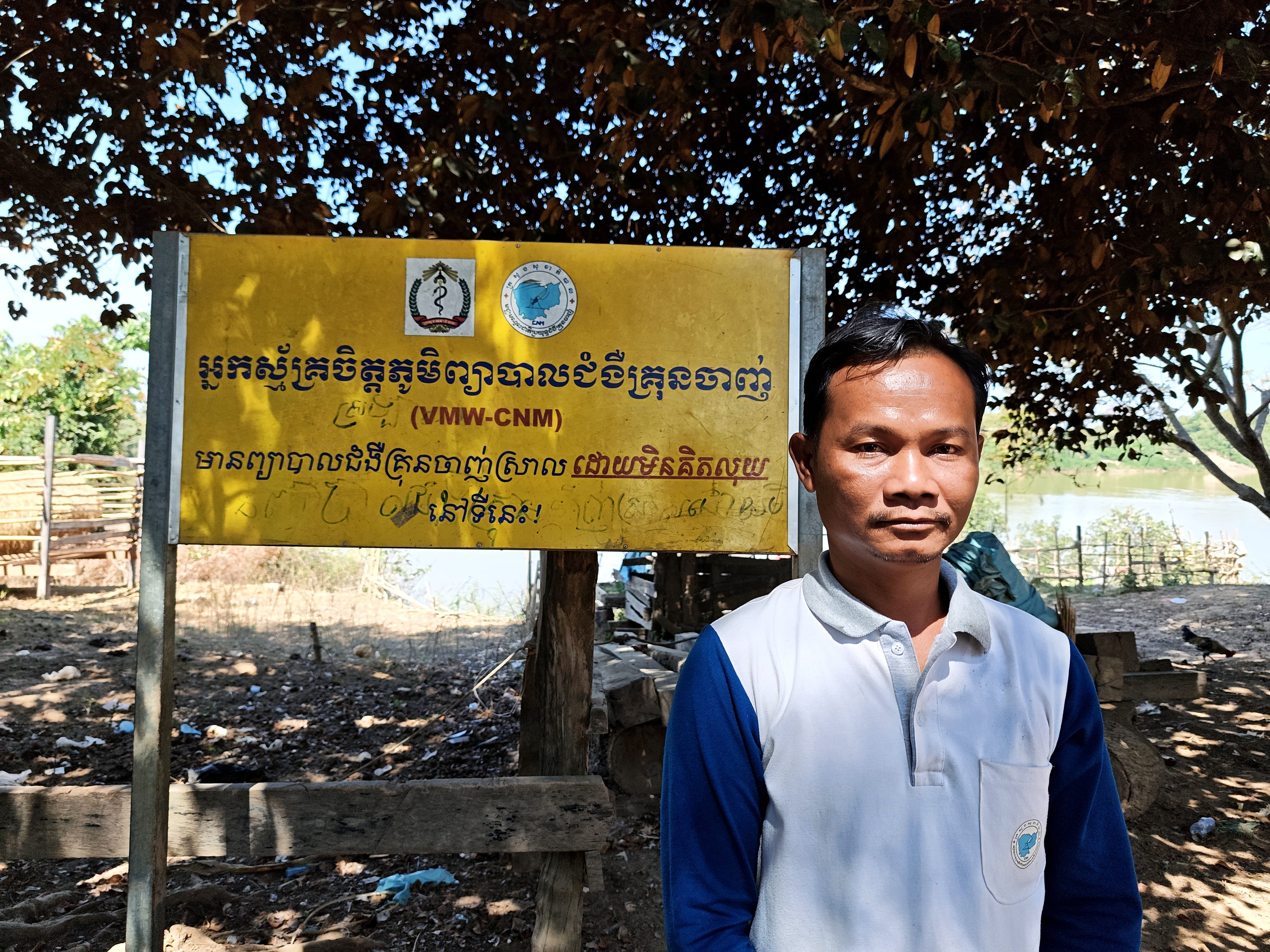
A Village Malaria Worker (VMW) since 2012, Mansay, 39, lives near the riverbank in Ban Houy village with his wife, also a VMW, and four children within a close-knit Sekong community with a population of about 400. Daily life plays out in the open air, where animals – pigs, chickens and cows – and children, wander freely about the great outdoors. For the most part, they appear content.
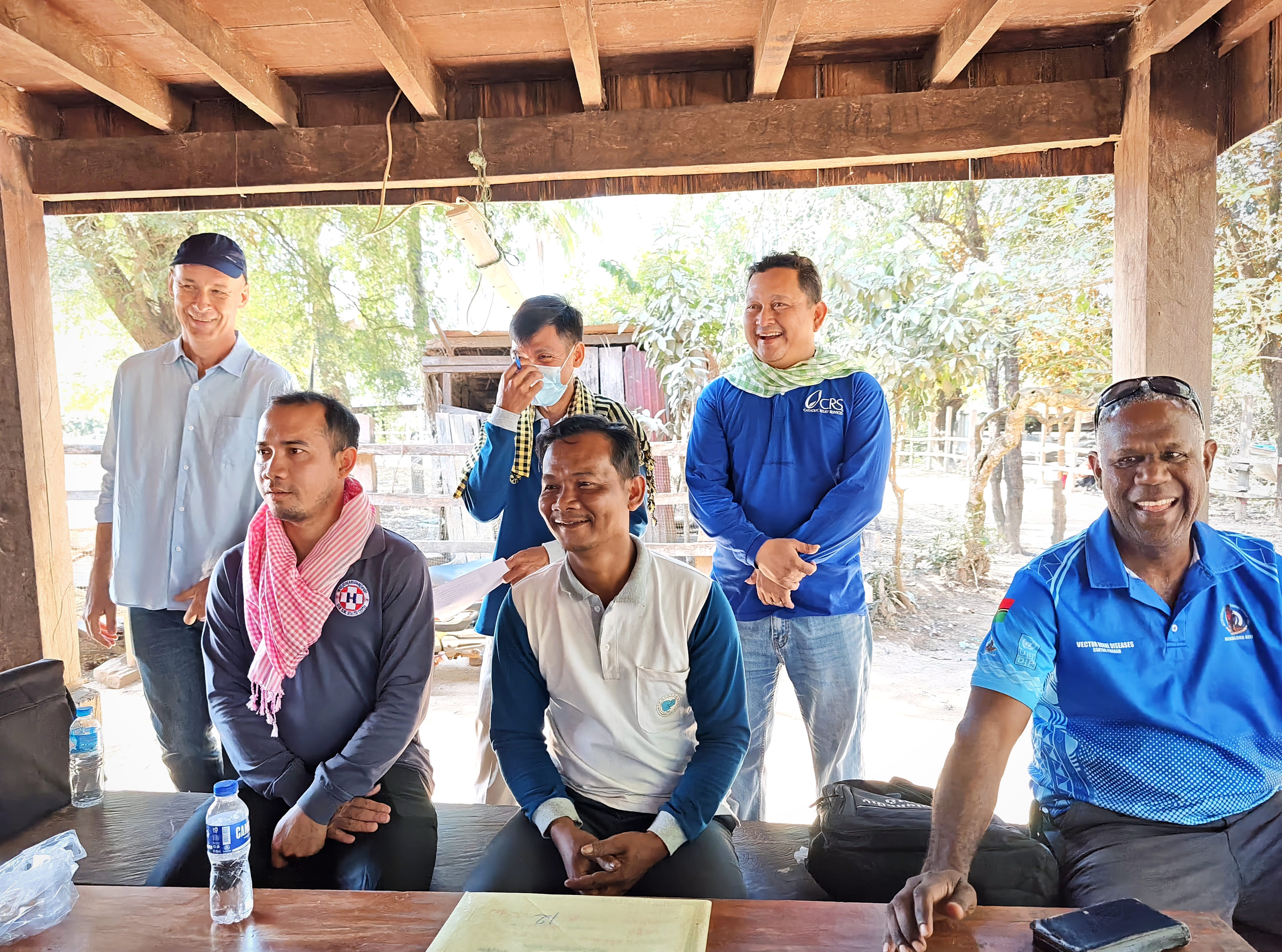
During a visit by a group of 11 national malaria programme leads from EDEN Initiative countries, Mansay recounts the years when cases were high. One by one, he diligently carried out testing from his home, then walking from house to house like a current moving downstream, reaching every inlet, asking if everyone had been tested and was sleeping safely under a bed net.
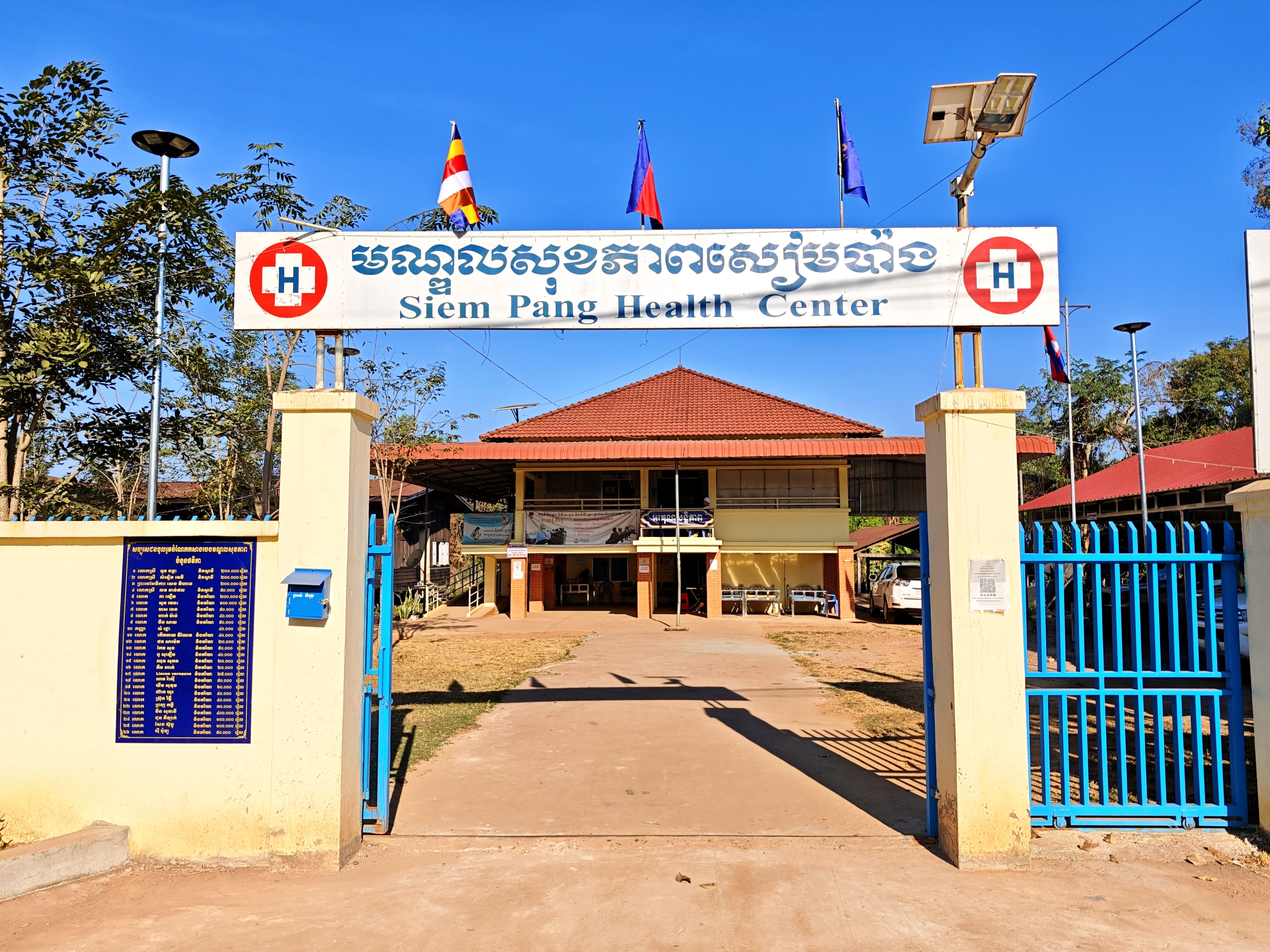
Once a month, Mansay steers his boat on a familiar route – across the heart of Tonle Kong, towards Siem Pang Health Centre to attend the monthly VMW meeting. Without his boat, the journey would have been much harder, if not impossible. Transport cost for each trip is reimbursed, on top of a combined monthly stipend of USD 24 for work done and telecommunication allowance. Modest, but it helps him keep showing up – crossing waters, covering distance and enduring fatigue to make sure his community is not left behind. His laborious efforts and extraordinary dedication over more than a decade have finally tapered off the last known malaria cases in the village, with none reported in 2025.
He reflects on the path ahead – what malaria elimination could look like for Cambodia. Only a few years ago, the rounds felt urgent, where a positive test could easily spiral if not quickly contained. Now, the country is on track to achieve malaria-free certification in the coming years.
Today, to prevent resurgence, Mansay returns to a familiar rhythm. He supports testing and provide Intermittent Preventive Treatment for forest-goers (IPTF) following detection of the latest case, alongside topical repellents to reduce risk of new infections. When fieldwork ends, the routine carries on: progress is quietly hand-written into well-worn logbooks, then entered into the Malaria Information System on his phone – sustaining a watch that is disciplined and rarely noticed.
From evidence-based, nationally led programmes that deliver lasting change, to purposeful daily habits and collective action, these efforts amount to meaningful strides towards malaria elimination in Cambodia. For VMWs, malaria elimination means long treks or motorbike rides through rugged terrain, or boat journeys to reach the farthest rural communities. To these communities, VMWs offer a vital lifeline – health services that would otherwise be out of reach.
The systems built for malaria may now serve a wider purpose. As Cambodia draws closer to elimination, the Ministry of Health, through the National Center for Parasitology, Entomology and Malaria Control (CNM) is working to ensure that the gains achieved are sustained beyond a single disease. By exploring how VMWs can contribute to the prevention and early detection of dengue and other mosquito-borne diseases, CNM is building on a network that remains deeply connected to the communities it serves.
As the sun sets, the solar panel at his home catches the last of the afternoon light. Mansay works through his inventories, chatting with fellow villagers while gently reminding them how simple steps can make the difference between maintaining zero cases and facing an unforeseen outbreak. He is optimistic about a better world – for his family, his community, his country. They are nearly there, but not out of the woods yet.
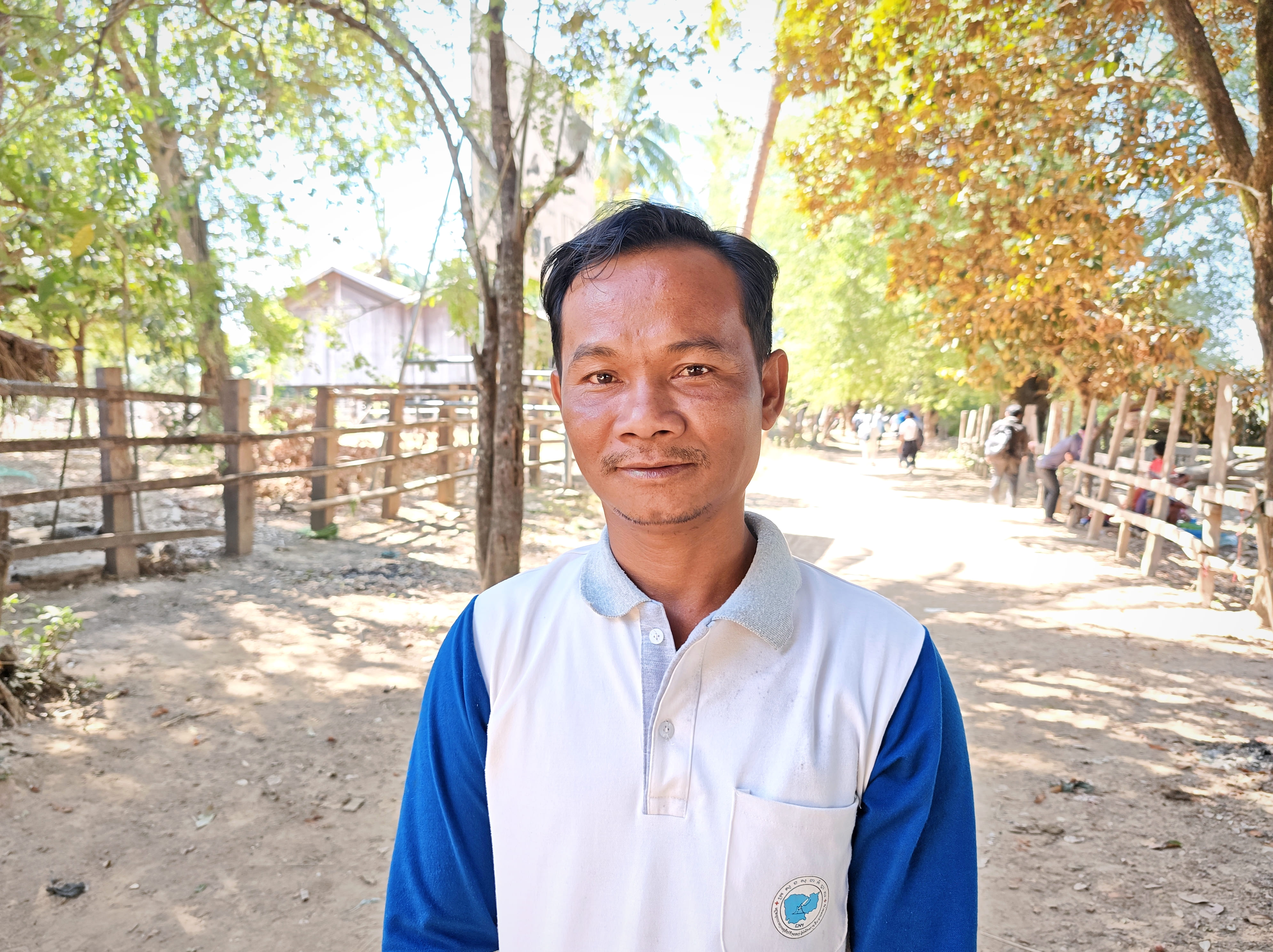
This World Mosquito Day, we pay tribute to everyday heroes like Mansay, whose commitment continues to light the way toward a future where communities are protected from malaria and the wider threats of mosquito-borne diseases that follow in its shadow. The better world we see is one where we are driven to protect the health of people, which we now can, and now must, achieve.
You may also like