.svg)



Each year on March 8, International Women’s Day stands as a global observance honouring the socioeconomic, cultural, and political contributions of women around the world. This year’s theme, Give to Gain, calls for investment in women for the wider benefit of all, a vision that incidentally resonates with the Asia Pacific region’s growing integration of gender equality, disability, and social inclusion (GEDSI) principles across health and public policy. In the context of malaria elimination, there has been a shift in recent years toward more targeted approaches that prioritise vulnerable populations, including women and persons with disabilities. However, significant gaps in data and reporting remain, limiting the ability to fully understand and address inequities in access and outcomes.
Pregnant Women as a Vulnerable Group
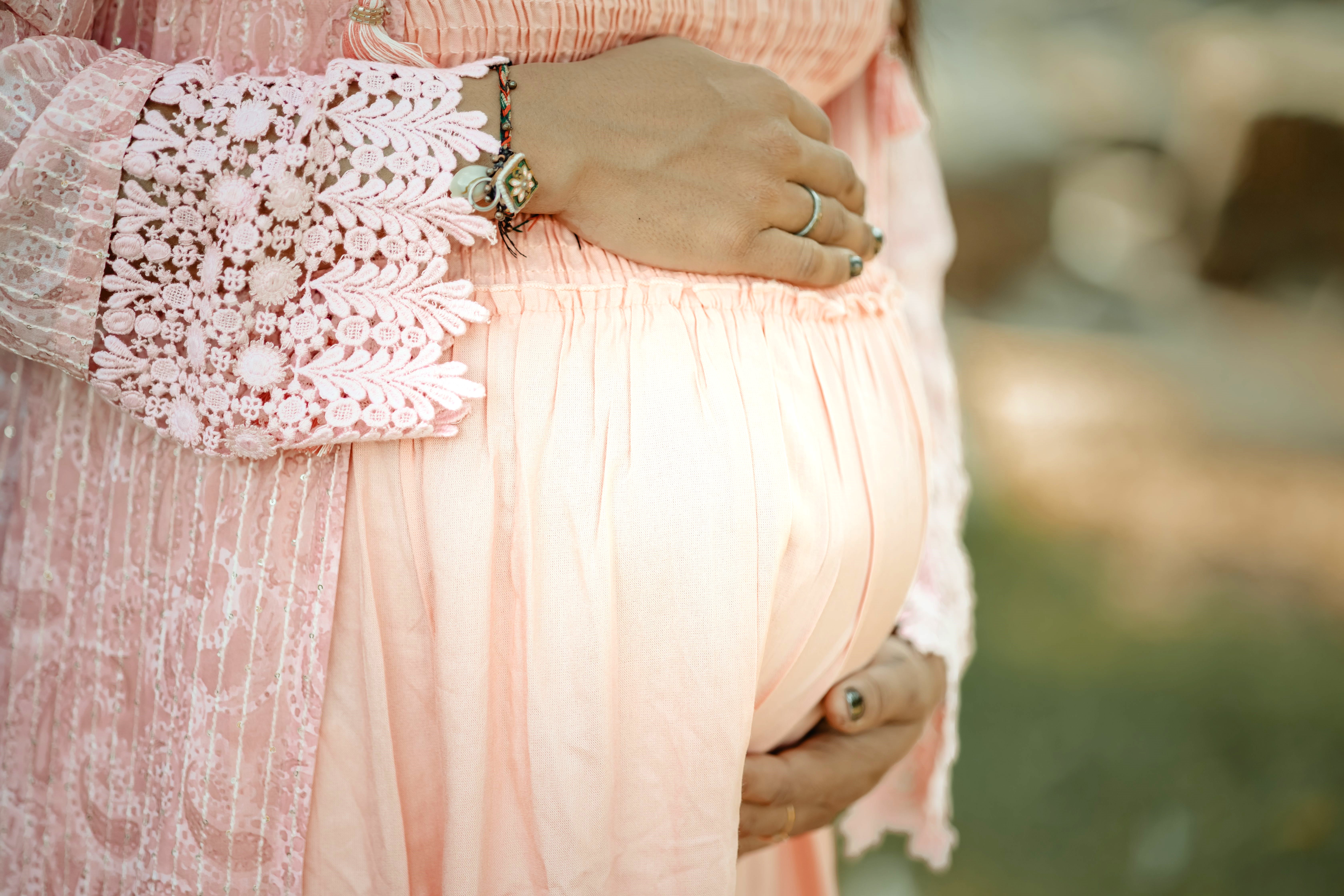
The impact of malaria on pregnant women and children are well documented, with infections caused by Plasmodium vivax and Plasmodium falciparum driving severe maternal anemia and reductions in mean birth weight, both of which significantly increase the risks of preterm delivery and stillbirth. Low birth weight, in turn, is associated with reduced cognitive performance and scholastic ability, illustrating the ruinous intergenerational impact of malaria in pregnancy.
Every year, millions of pregnancies in the Asia Pacific region occur in areas where transmission of P. vivax and P. falciparum persist. Yet the healthcare needs of pregnant women in these settings are often under-prioritised, and access to care remains uneven. Asymptomatic infections and missed diagnoses among pregnant women remain common in these settings. Malaria programme efforts are largely focused on addressing the visible drivers of transmission and tailoring interventions towards other vulnerable groups, rather than the less visible burden of malaria in pregnancy.
Despite existing evidence on the burden of malaria in pregnancy, women across the region continue to face significant day-to-day challenges in accessing the care that they deserve. In Central Papua, Indonesia, pregnant women seeking malaria treatment typically require permission from their husbands to do so. Across the border in Papua New Guinea, focus group discussions with pregnant women revealed widespread perceptions of malaria as an expected condition, with heavy domestic workloads frequently cited as the primary contributor for non-adherence to treatment courses. Meanwhile, a study conducted among women along the Thai-Myanmar border found malaria in the first trimester to be a significant risk factor for miscarriage, highlighting the severe consequences of inadequate prevention. Meanwhile, a study in the Philippines revealed gaps in national malaria surveillance practices concerning malaria in pregnant women where key pregnancy‑related data were not systematically captured, leaving them vulnerable to the consequences of untreated infection.
Unseen, Unheard, Unreported
At this juncture, regional data on malaria in pregnancy remains sparse. In the World Malaria Report 2023, Papua New Guinea was the only one of the Asia Pacific region’s 20 malaria-endemic countries (at the time) to report data on the percentage of pregnant women who received three or more doses of intermittent preventive treatment in pregnancy (IPTp). In addition, only nine of the region’s 20 malaria-endemic countries (47%) reported data in relation to key indicators of malaria prevention and treatment among pregnant women, such as the proportion of pregnant women who slept under any type of net (insecticide-treated nets (ITNs) or long-lasting insecticide-treated nets (LLINs)), lived in a dwelling sprayed with indoor residual sprays (IRS) in the past 12 months, or received IPTp (Sulfadoxine/Pyrimethamine or Fansidar) during pregnancy. Moreover, much of the data collected from countries on these metrics is also over 5 years old as of 2026.
In comparison, countries in the World Health Organisation’s African region demonstrated more consistent reporting on these metrics, with 35 of the region’s 42 malaria-endemic countries (83%) reporting data in relation to ITN, IRS and IPTp usage in pregnant women, coupled with more frequent data collection among these countries.
Closing the Gap in Asia Pacific
Despite the immediate lack of available data, there is significant awareness within the region of the need and urgency to protect vulnerable subpopulations, including pregnant women. In 2024, APLMA conducted a baseline assessment of 15 countries within the Asia Pacific region it supports to document GEDSI-specific metrics within each country’s National Strategic Plans (NSPs) and Global Fund funding requests.

APLMA’s assessment revealed that 13 of these 15 countries (87%) identified women and pregnant women as vulnerable groups requiring targeted interventions or acknowledged their vulnerability in their respective NSPs. A similar number of countries had Global Fund funding requests containing elimination strategies with women-centric targeted interventions.
Indonesia, in particular, has been proactive in implementing targeted interventions of its own. Since 2012, pregnant women at their first antenatal care visit are screened for malaria, to minimize the impact of malaria in pregnancy through early detection. It was the first such policy of its kind in Asia, and one that continues to this day. As the country continues to address its barriers to malaria elimination, Indonesia remains a microcosm of the wider region – a place where progress has been made, although plenty remains to be done.
The Region’s Call
The Asia Pacific region continues to advance towards the 2030 malaria elimination goal, but these gains risk being undermined if the needs of vulnerable populations are overlooked. Investing in interventions for pregnant women – alongside other at-risk groups – is a step towards uplifting the region’s collective efforts and ensuring none among us is left behind.
Explore APLMA Dashboards here: https://www.aplma.org/ourwork/dashboard.
Take a look at Asia Pacific's GEDSI data here: https://www.aplma.org/ourwork/gedsi.
You may also like